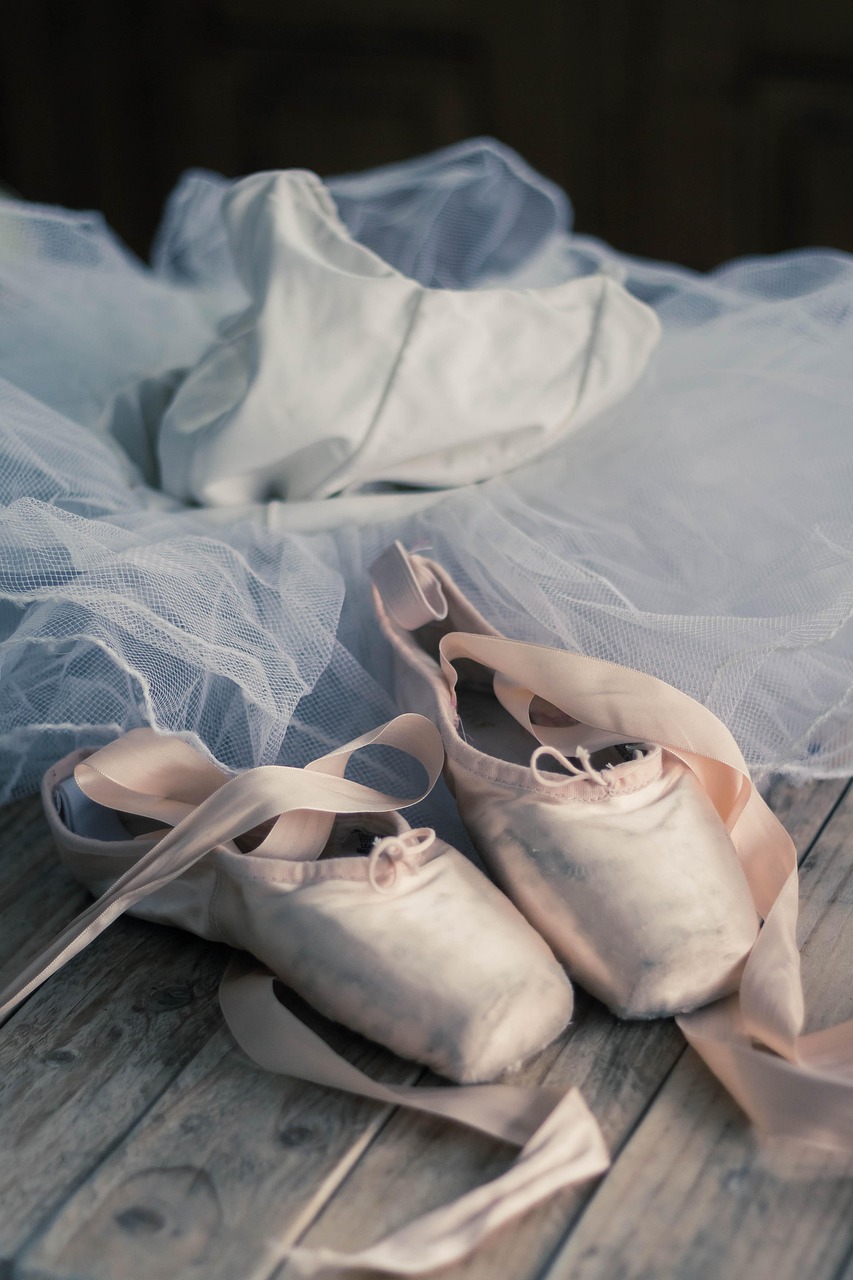
Classical Ballet
Classical ballet is the most formal of the ballet styles, adhering to traditional technique. It is known for its rigorous aesthetics (such as pointe work, turnout of the legs, and high extensions), flowing movements, and ethereal qualities.
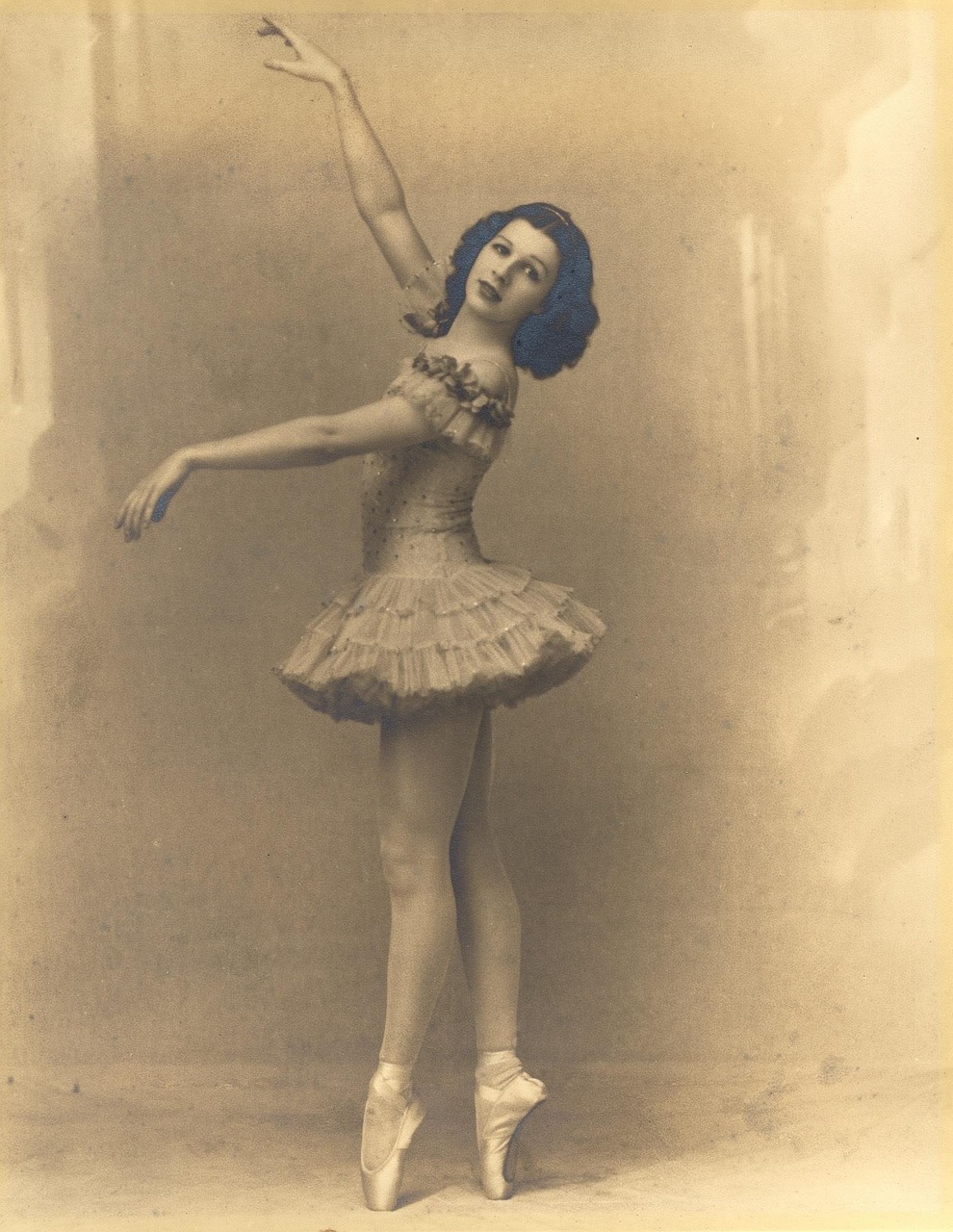
Pointe Work
Pointe technique is the part of classical ballet in which a dancer supports all body weight on the tips of fully extended feet within structural pointe shoes. It requires immense foot strength, core stability, and years of dedicated training.
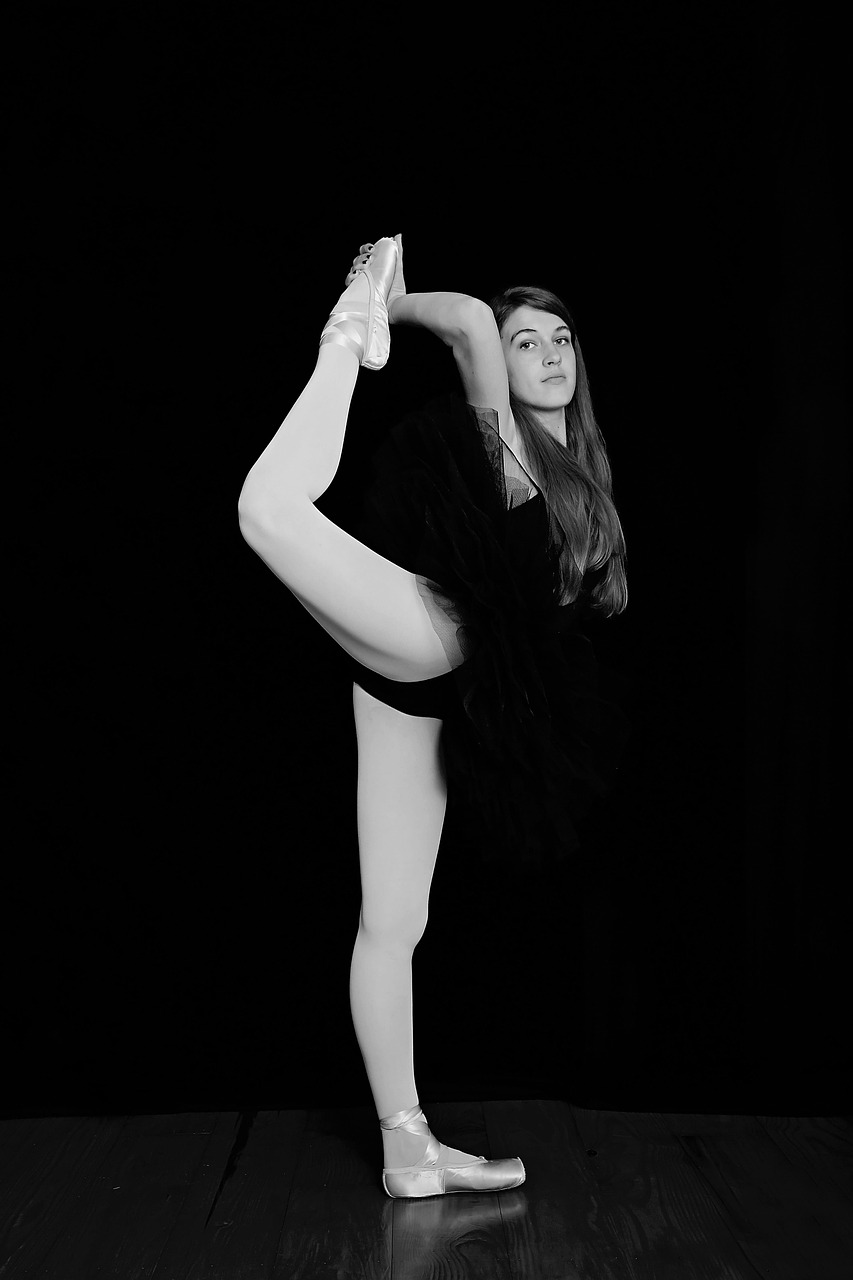
Neoclassical Ballet
Neoclassical ballet exemplifies 20th-century styles, largely pioneered by George Balanchine. It utilizes the advanced technique of 19th-century Russian Imperial dance, but strips away detailed narrative and heavy theatrical settings.
Major Training Schools
Vaganova Method
Developed by Agrippina Vaganova in Russia, this method fuses the romantic style of the French ballet and dramatic soulfulness of the Russian character with the athletic virtuosity that characterizes Italian technique. It is highly structured and analytical.
Cecchetti Method
Created by Enrico Cecchetti, this Italian method is a strict program that enforces planned exercise routines for each day of the week, focusing on essential skills, understanding of anatomy, and perfect balance.
RAD (Royal Academy of Dance)
An English style established in London. It combines elements from French, Italian, and Russian methods to create a unique style of ballet that demands extreme attention to detail and emphasizes proper posture and technique.
Balanchine Method
An American training style developed by George Balanchine at the School of American Ballet. It focuses on very quick movements coupled with a more open use of the upper body, deep pliés, and extreme precision to fill the music entirely.